
From our Daily Report:

Greater Middle East
Lebanon

UN sees potential Israeli ‘war crimes’ in Lebanon

The UN Human Rights Office stated that Israeli strikes on homes and civilian infrastructure in Lebanon may constitute war crimes. The statement came as Israel intensifies its military campaign on the territory of its northern neighbor amid the broader conflict spreading across the Middle East. Thameen Al-Kheetan, spokesperson for the UN High Commissioner for Human Rights, said that Israeli strikes in Lebanon have killed hundreds, including children, and destroyed homes and healthcare facilities, while Hezbollah rockets have injured civilians in Israel. Mass displacement has forced families into overcrowded areas, with access to healthcare, food and education severely disrupted. (Image via Flickr)

Palestine
ICJ

More countries intervene in genocide case against Israel

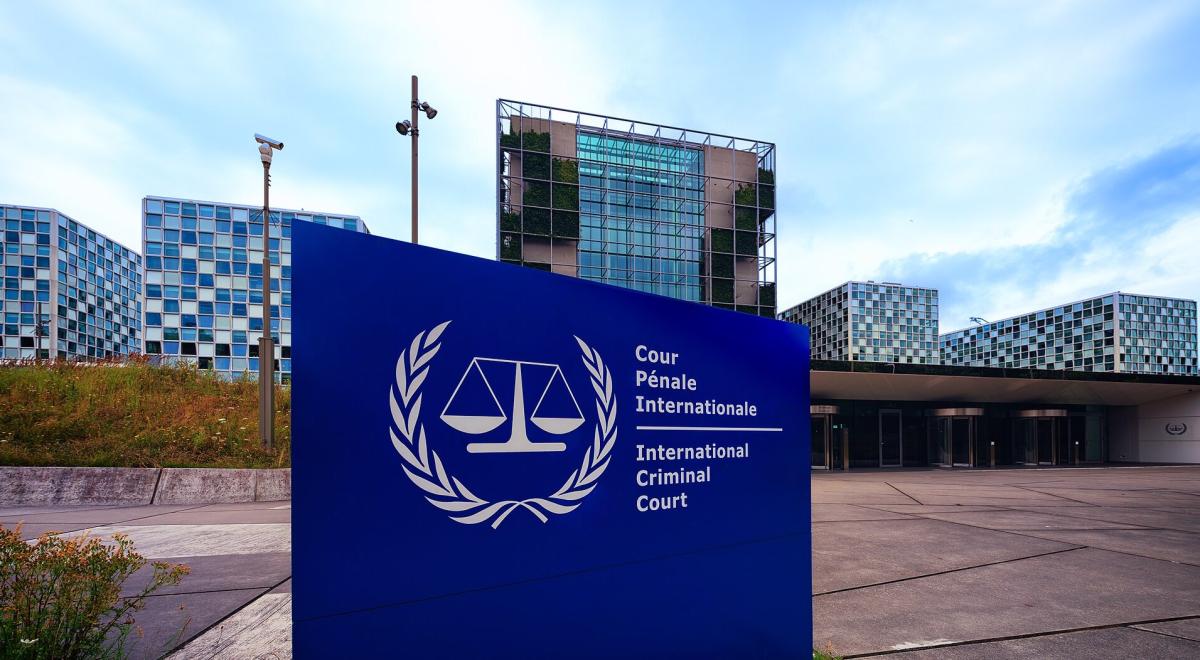
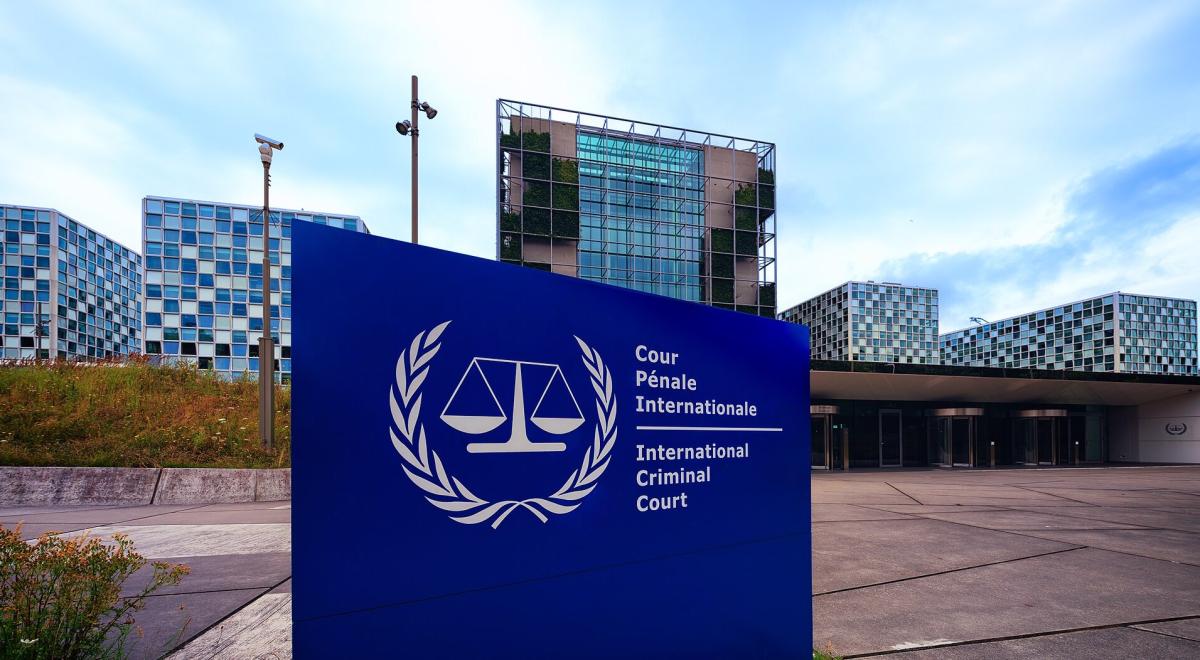
Hungary, Namibia, Fiji and the United States each filed  declarations of intervention to the International Court of Justice (ICJ) in the case against Israel in relation to the situation in the Gaza Strip. The interventions illuminate the legal issues the court will be facing at trial. One key issue is what constitutes the mens rea, or the mental threshold, of the crime of genocide. According to Namibia, the court may infer the required genocidal intent based on the scale, systematic nature, intensity, duration, and repetition of acts listed in the Genocide Convention. On the other hand, Hungary, Fiji and the US asked the court to maintain a high threshold in inferring genocidal intent from a “pattern of conduct.” (Photo: ICJ)

Africa
ISWAP

Nigeria: ISIS franchise steps up insurgency

At least 65 soldiers—including three senior officers—have been killed in jihadist raids on military garrisons in Nigeria’s northeast this month. Five bases were overrun by the Islamic State West Africa Province (ISWAP)—four of them in a single night, showing a notable level of coordination. Military equipment was also torched or captured, including armored vehicles. ISWAP’s “Burn the Camps” offensive began last year, and is accelerating against an overstretched military. (Photo via TNH)

Iraq
OWFI

Iraq: women’s rights defender assassinated

Prominent Iraqi women’s rights defender Yanar Mohammed was killed outside her Baghdad residence by two unidentified men. No group has claimed responsibility for the assassination. Iraqi Prime Minister Mohammed Shia’ al-Sudani has ordered an investigation. International human rights organizations are urging authorities to identify the perpetrators and halt a continuing pattern of targeted attacks on activists in the country. Mohammed was co-founder and director of the Organization of Women’s Freedom in Iraq (OWFI). She was widely recognized for her work supporting women facing gender-based violence, which included establishing a network of safe houses across several Iraqi cities. (Photo via Facebook)

Iran
Iran protest

Podcast: neither MAGA-fascism nor Islamic Republic

As Trump and Netanyahu rain death down on Iran, the ayatollah regime paints any would-be protesters as pawns of the “enemy” and promises deadly repression. This positions the civil opposition poorly for any resumption of the uprising that the regime drowned in blood mere weeks ago—and points to the paradoxical reality that Trump and the regime are de facto (at least) collaborators against the Iranian people. In Episode 318 of the CounterVortex podcast, Bill Weinberg repudiates both those who would rally around the reactionary and criminal regime in the name of opposing the US-Israeli aggression and those who would rally around Trump’s reckless and criminal war in the interest of opposing the regime. Instead, he offers statements from Iran’s anarchist and dissident-left opposition that continue to advance an uncompromising neither/nor position. (Photo of Berlin protest via Instagram)

Iran
Tehran

‘Black rain’ falls on Tehran amid US-Israeli strikes

United Nations officials said that US and Israeli airstrikes on fuel depots in Tehran have released large amounts of toxic pollutants, producing acidic “black rain” across parts of the capital. Officials from the World Health Organization warned that the burning of depots has released hydrocarbons, sulphur oxides, and nitrogen compounds into the atmosphere. The released pollutants have caused darkened skies in Tehran, prompting authorities to adviseresidents to remain indoors due to respiratory risks and potential water contamination. (Photo: Mehr via Wikimedia Commons)

Africa
Mali

Mali: al-Qaeda franchise in new ‘war crime’

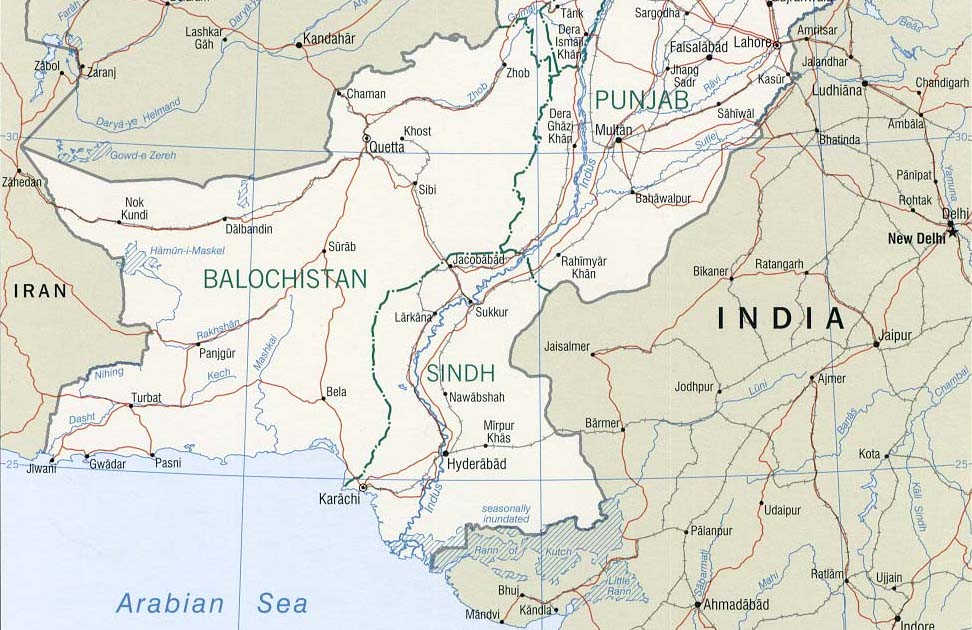
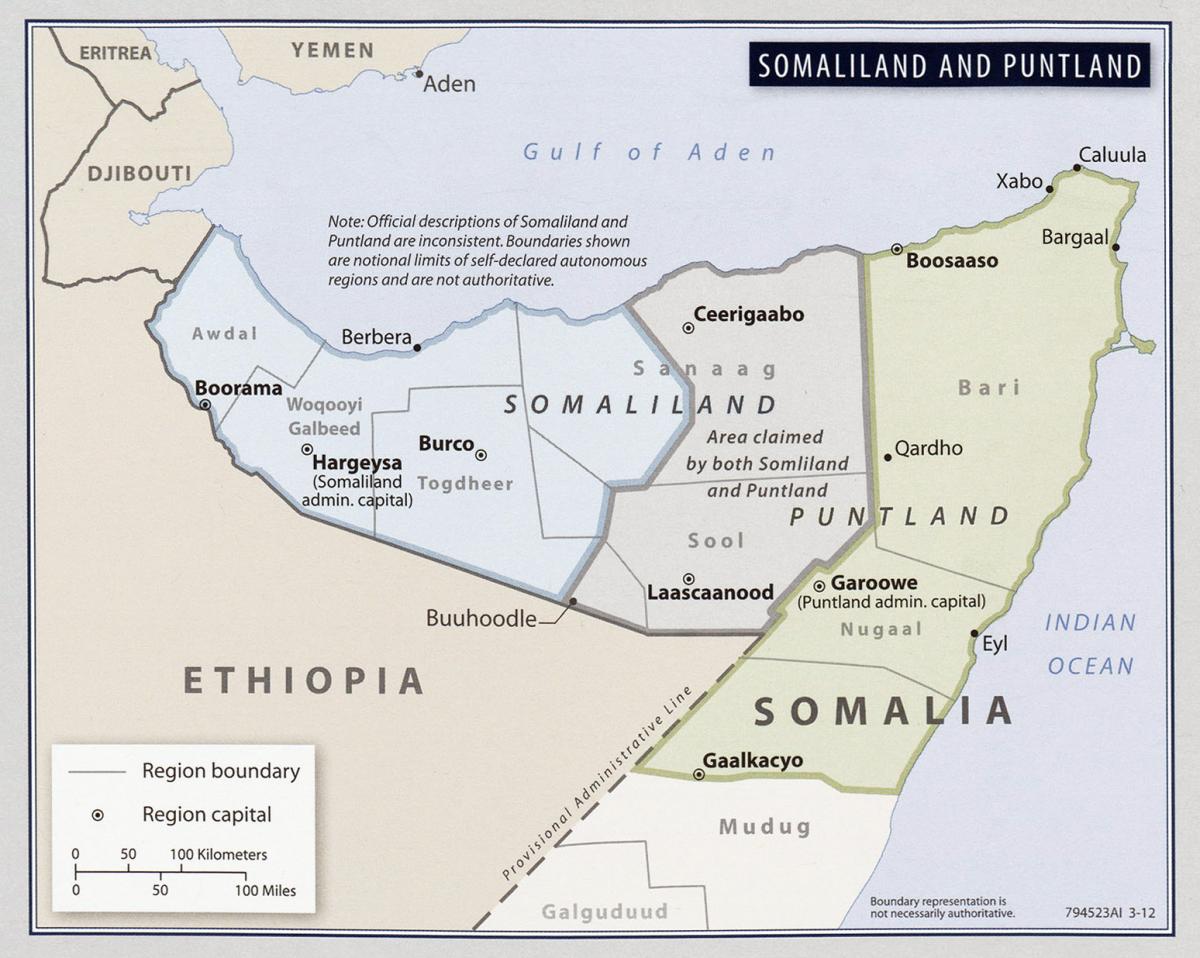
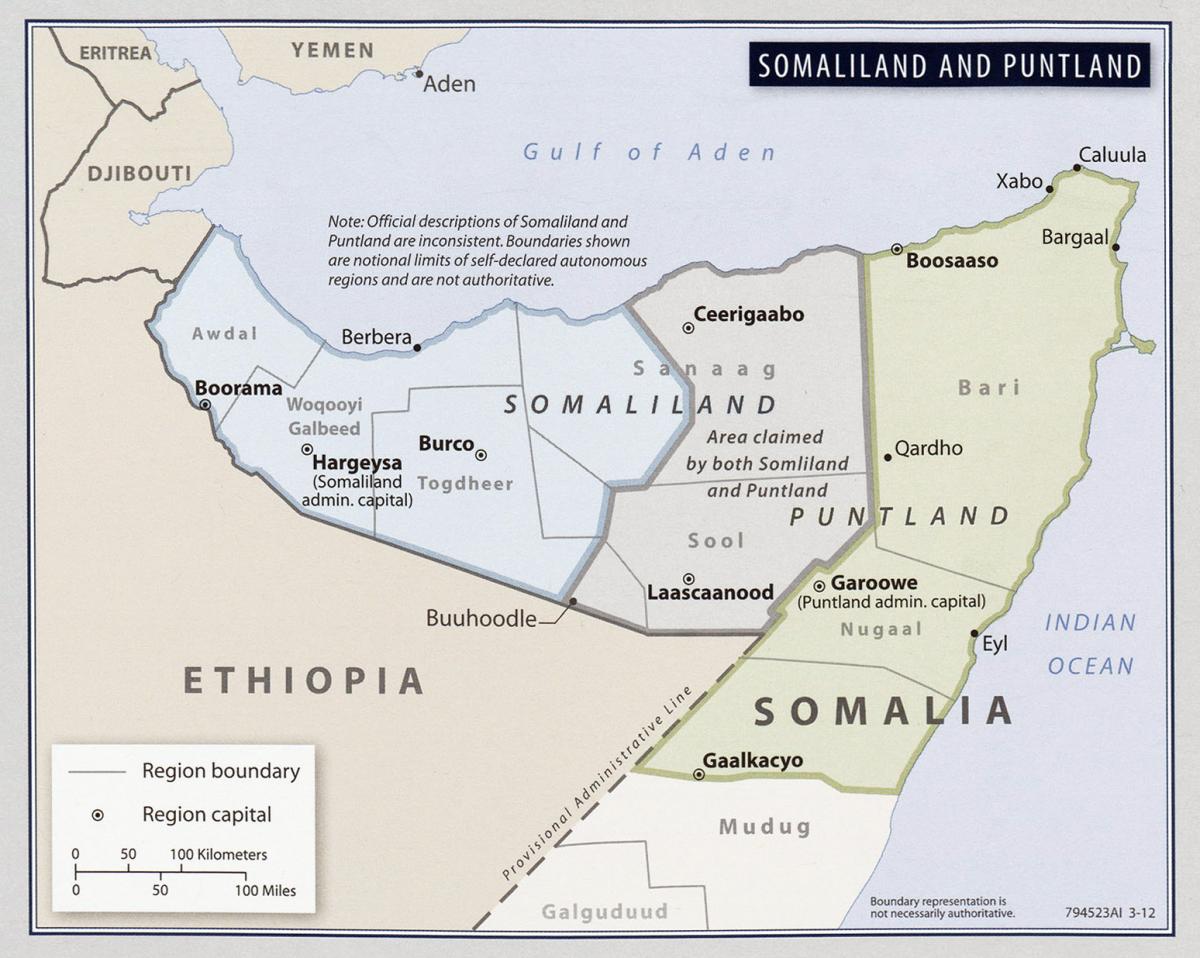
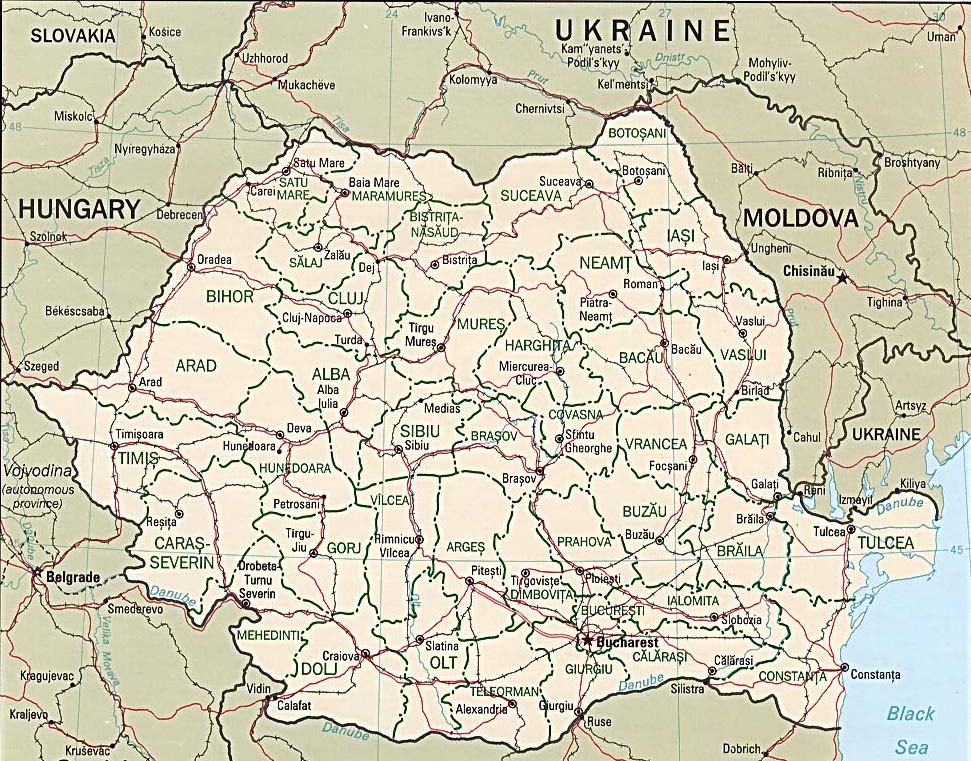
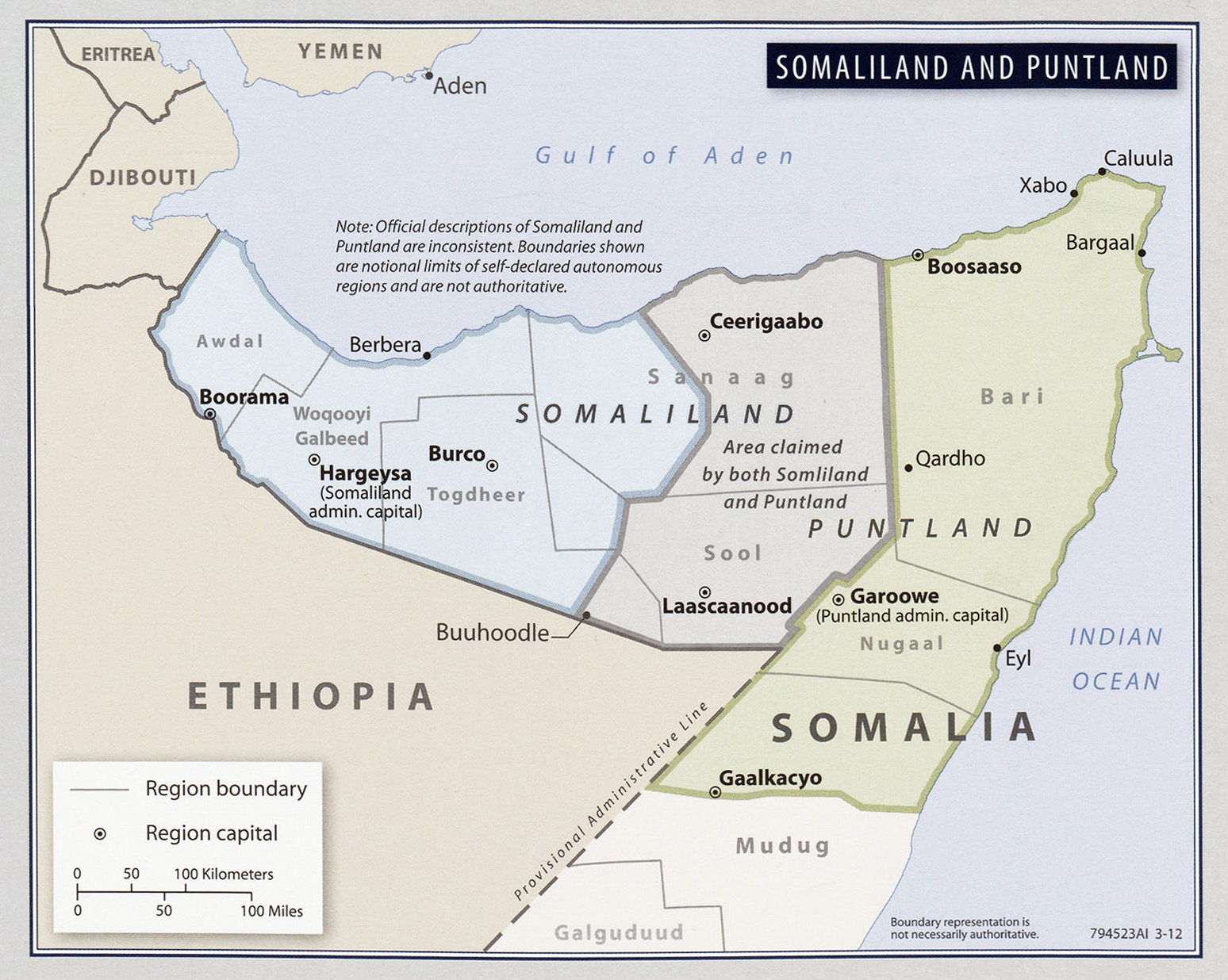
Human Rights Watch confirmed that an al-Qaeda-linked armed group summarily executed 10 long-haul truck drivers and two teenage apprentices in late January in southwestern Mali as part of the group’s attack on a fuel convoy and deemed the acts “apparent war crimes.” Mali’s truck driver union staged a nationwide strike in response to the attack, demanding recovery of victims’ bodies to ensure their families can have proper burials. The group responsible for the attack was Jama’a Nusrat ul-Islam wa al-Muslimin (JNIM), which describes itself as the official branch of al-Qaeda in Mali. (Map: PCL)

Watching the Shadows
Pentagon

Anthropic sues Pentagon over ‘risk’ designation

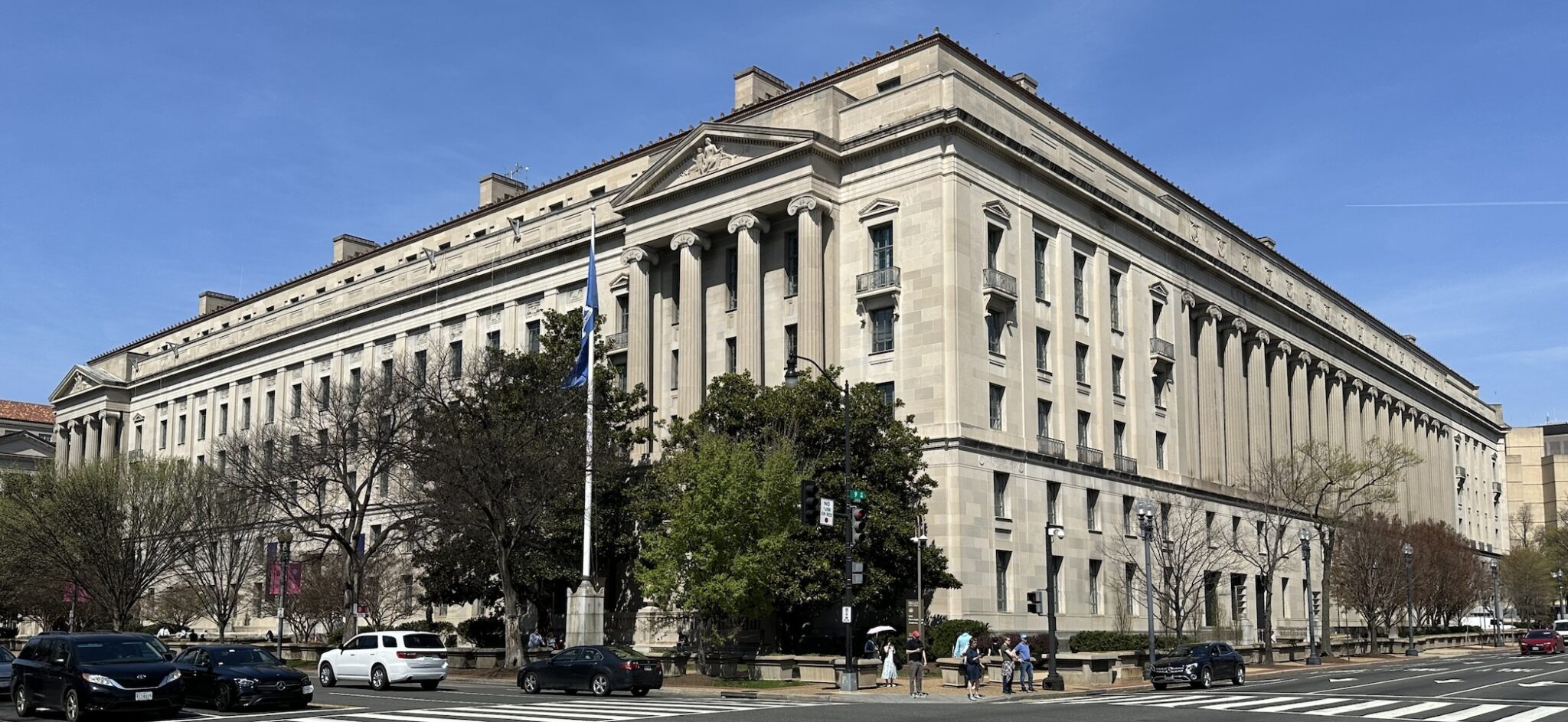
Artificial intelligence company Anthropic sued the US Defense Department (“Department of War”) after the Department declared the company a “supply chain risk” and threat to national security. Anthropic maintains that it has no ties to any adversary and has gone to great lengths to prevent adversaries from using its technology. The company asserts that the designation is arbitrary and capricious under the Administrative Procedures Act, and actually constitutes retaliation against Anthropic for exercising its free speech rights in deciding how its technology will be used. (Photo: Pixabay via Jurist)

Greater Middle East
Istanbul

‘Politicized’ trial begins for Istanbul mayor

Istanbul mayor and Turkish opposition leader Ekrem İmamoğlu went on trial, accused of establishing an “İmamoğlu Criminal Organization for Profit” that operated parallel to and was concealed by his official duties. Critics of the trial say that President Recep Tayyip Erdoğan is politically influencing the proceedings as part of a broader judicial campaign intended to impede the ability of İmamoğlu’s Republican People’s Party (CHP) to function as an effective opposition party, and to prevent İmamoğlu and other CHP officials from exercising their rights to political participation. The case is part of a mass trial involving more than 400 co-defendants, most of whom worked for the Istanbul Metropolitan Municipality, which İmamoğlu has headed since 2019. (Photo: Hunanuk via Wikimedia Commons)

Iran
Iran

Iran urged to lift restrictions on internet access

Human Rights Watch urged authorities in Iran to lift restrictions on internet and communication services, citing concerns that civilians will be left unable to access potentially lifesaving information in the midst of the armed conflict with Israel and the US. Back in early January, when widespread protests and severe government repression were intensifying, the Iranian regime had similarly restricted access to internet services, with an estimated 92 million citizens cut off—virtually the entire population. This pattern of blocking reliable access to the internet has been criticized by activists as a form of digital isolation, with similar incidents occurring in 2019 during protests and again in 2022 after anger erupted over the murder of Mahsa Amini. (Image: Wikimedia Commons)

Syria
Damascus

UN Commission on Syria: protect civil society

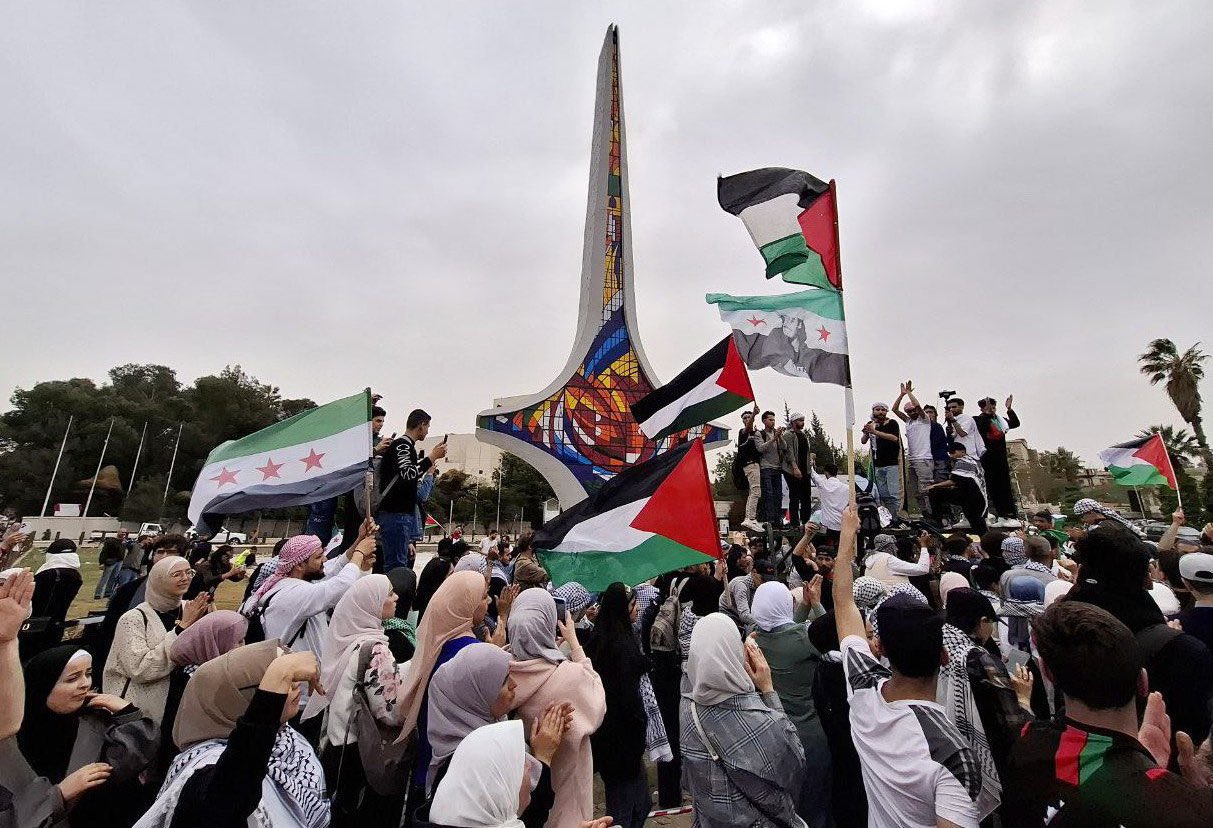
The UN Human Rights Council’s Commission of Inquiry on Syria (COI) announced that it completed an in-country mission to Damascus as it prepares to brief the Council in Geneva. The commissioners said they were encouraged by the growth of Syrian civil society organizations, including groups returning from exile. Still, they noted continued barriers and fears, and urged conditions that would allow civil society to operate “without restriction.” There remain legal questions about whether and to what degree authorities will tolerate independent documentation, advocacy, and victim participation, which are needed elements for credible truth-seeking, reparations design, and institutional vetting. (Image: Damascus protest against Israeli intervention in Syria. Credit: The Syria Campaign via Facebook)

Palestine
Jerusalem

UN report: Gaza genocide ‘spills into West Bank’

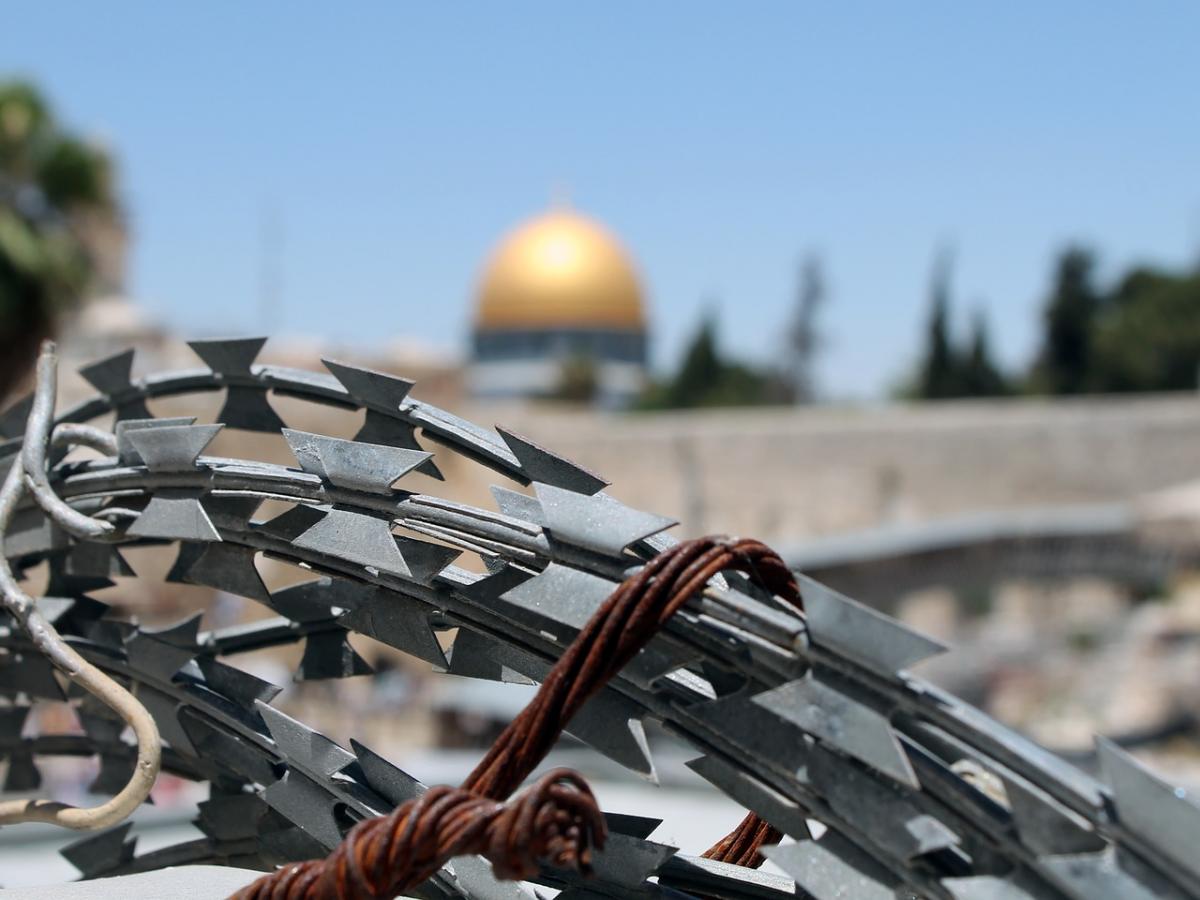
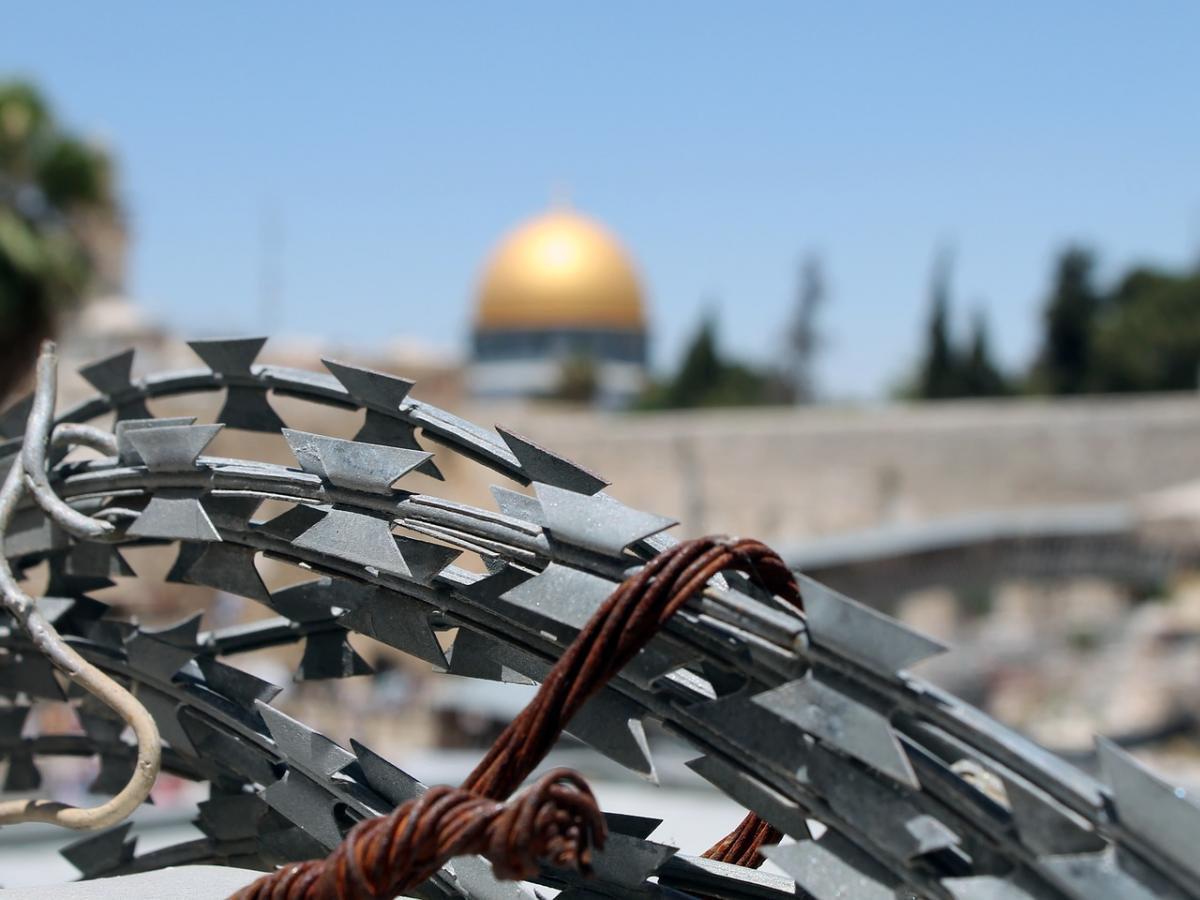
A group of UN experts warned that the genocide in Gaza is spilling into the West Bank as a wider war engulfs the region. The experts argue that Israeli policy is designed to coerce Palestinians to leave in both territories. The report also covered occupied East Jerusalem, finding: “Israel is accelerating measures that alter Jerusalem’s demographic composition, religious character and legal status, destroying the remnants of the pluralistic fabric that Jerusalem has represented for centuries, for Muslims, Christians and Jews… What is being done to this world symbol of spiritual coexistence and shared heritage is irreversible.” (Photo: RJA1988 via Jurist)

More Headlines

Featured Stories

cislunar orbit

ORBITAL DATA CENTERS IN LEGAL VACUUM

With a landmark filing to the Federal Communications Commission, SpaceX proposed a network of one million solar-powered satellites designed not for communication, but for computation. This “Orbital Data Center” system, bolstered by the recent SpaceX-xAI merger, aims to place massive AI server farms into outer space—opening a jurisdictional dilemma. We are witnessing the birth of “Digital Soil,” a new form of territory where power is exercised not by planting flags, but by controlling space-based data processing. For emerging economies and Global South democracies, the implications are severe. If orbital infrastructure becomes the backbone of global AI, exclusion from its governance will translate directly into a new form of digital dependency. In a commentary for JURIST website, Vishal Sharma of NALSAR University in Hyderabad argues that the United Nations must designate orbital strata as “International Data Commons” to ensure that the “Digital Soil” of our future remains a global public good.

Continue ReadingORBITAL DATA CENTERS IN LEGAL VACUUM 
USS Spruance

NO AUTHORIZATION, NO IMMINENCE, NO PLAN

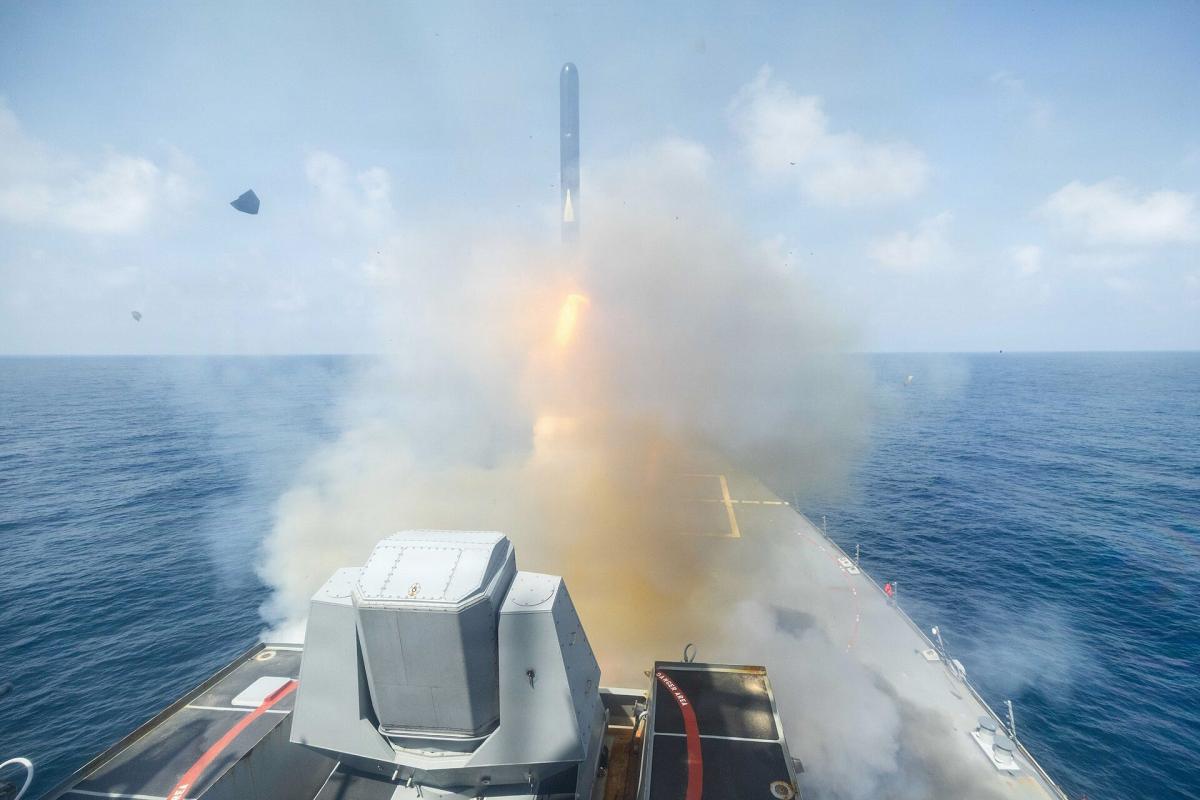
Given the absence of congressional authorization, UN Security Council approval, or any credible showing of imminence, the Trump administration’s strikes on Iran constitute violations of both US constitutional law and foundational international norms, setting a dangerous precedent for unchecked executive war-making. Mohamed Arafa, professor of law at Egypt’s Alexandria University, makes the case in a commentary for JURIST.

Continue ReadingNO AUTHORIZATION, NO IMMINENCE, NO PLAN 
moon

THE LUNAR JURISDICTIONAL TRAP

The recent unveiling of Russia’s Selena project, a nuclear power plant slated for the lunar surface by 2035 under the joint Russo-Chinese International Lunar Research Station program, has been hailed as an unprecedented ambition of engineering. But beneath the proposed cooling towers lies a volatile reality. We are about to place the highest-stakes technologies of the 21st century—autonomous artificial intelligence (AI) and nuclear fission—on a legal foundation that has been frozen since the Cold War. In a commentary for JURIST website, Vishal Sharma of NALSAR University in Hyderabad argues that we need a new Lex Spacialis to fill the vacuum of space before it is filled by the strongest unaccountable power, with no human oversight.

Continue ReadingTHE LUNAR JURISDICTIONAL TRAP 
Burma

BURMA: JUNTA-CONTROLLED ELECTORAL ‘SHAM’

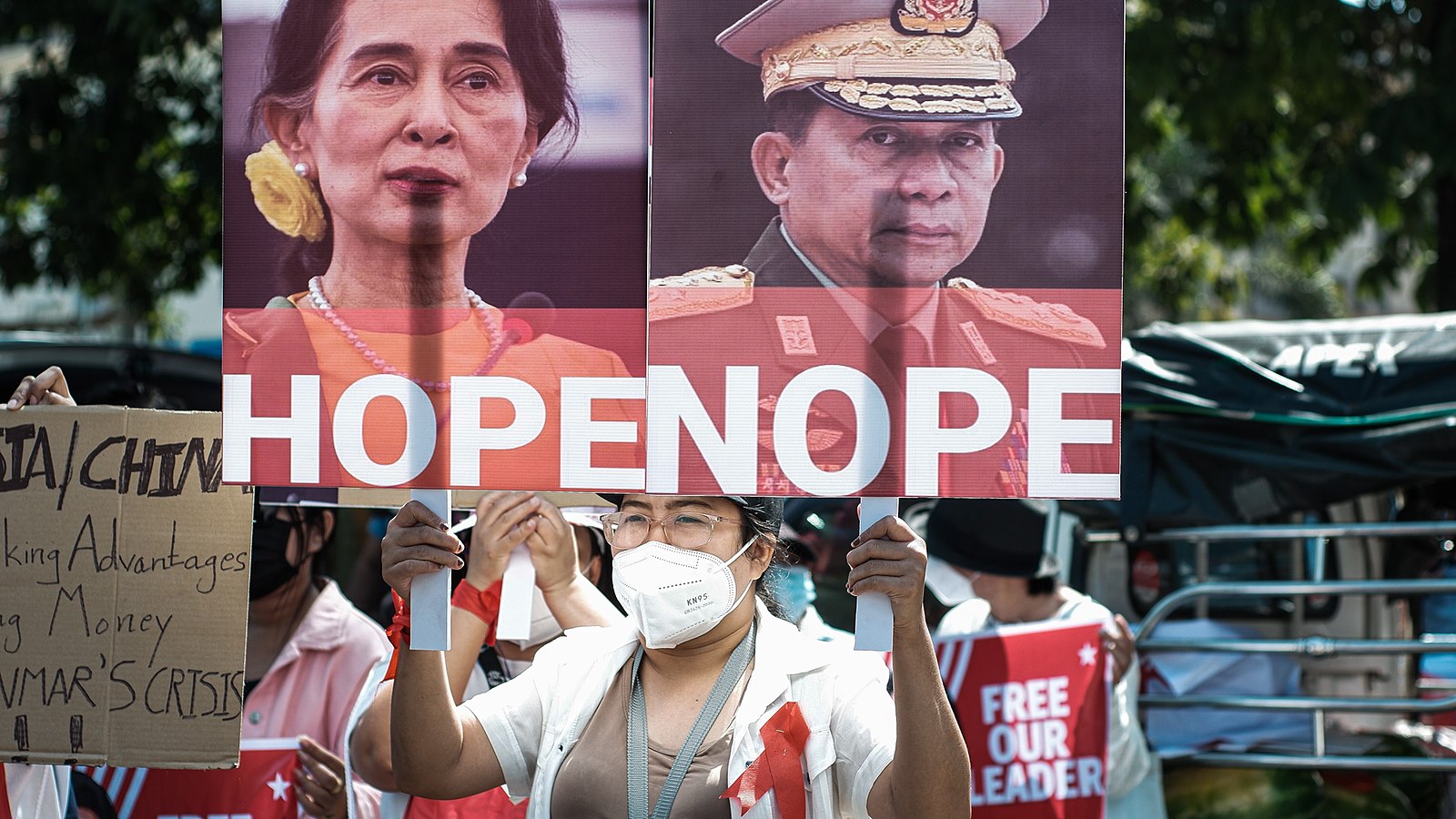
Trouble-torn Burma is heading for the first general elections since the military coup of February 2021 that ousted a democratically elected government. The seating of a new parliament will mark the re-opening of the bicameral body which was suspended when the military junta seized power. However, several prominent political parties will be barred from the three-phase polling to start on December 28—including Aung San Suu Kyi’s National League for Democracy, which won the last general elections held in November 2020. The new elections, with only parties approved by the military junta participating, are rejected by the opposition as a “sham.” And there will be no voting in the nearly half of the country now under the control of the armed resistance loyal to the rebel parallel government, CounterVortex correspondent Nava Thakuria speaks to opposition activists in clandestinity, who demand that the world reject the junta’s controlled elections.

Continue ReadingBURMA: JUNTA-CONTROLLED ELECTORAL ‘SHAM’ 
Fourteenth Amendment

WHEN CITIZENSHIP BECOMES CASTE

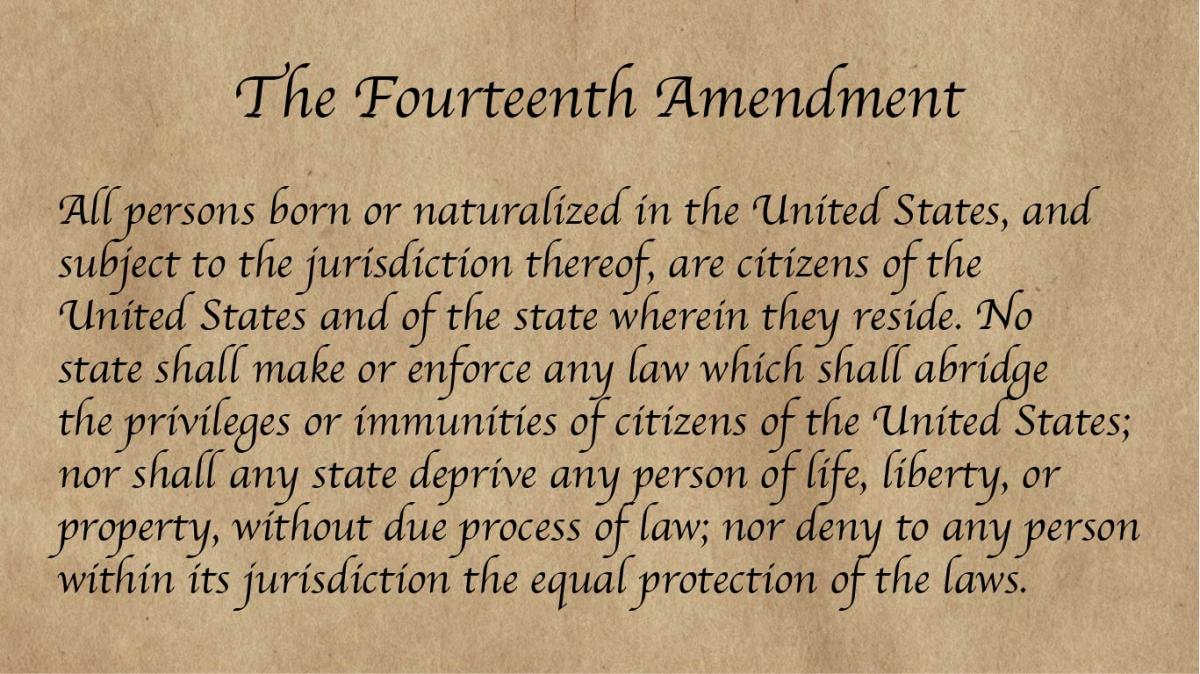
Birthright citizenship in the United States was never a bureaucratic detail or an immigration loophole. It was a direct assault on white supremacy’s original theory of the nation—that Black presence was permissible only as labor, never as belonging. The framers of the Fourteenth Amendment sought to end that theory for good. That amendment did not just welcome formerly enslaved Black people into the civic body; it attempted to inoculate the Constitution itself against the return of caste. Yet white supremacy, in every generation, finds new ways to renegotiate the boundaries of who counts as fully American. The Supreme Court has agreed to hear the consolidated case challenging lower-court rulings that struck down Trump’s attempt to repeal birthright citizenship. This signals that the highest court in the land is willing to consider whether whiteness may once again serve as the gatekeeper of America’s future. Timothy Benston of The Black Eye Substack writes that if this administration and this Court seek to restore whiteness as the measure of full belonging, they must face resistance equal to the enormity of that threat.

Continue ReadingWHEN CITIZENSHIP BECOMES CASTE 
Operation Southern Spear

THE PARADOX OF TRUMP’S DRUG WAR

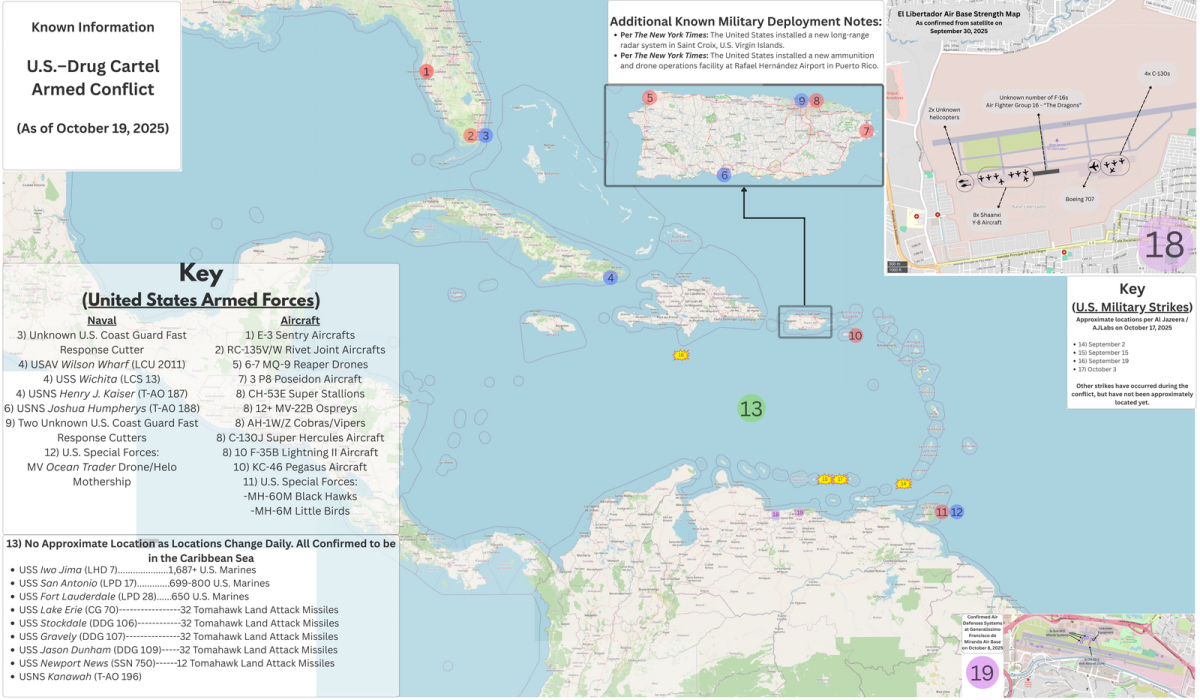
This week, President Donald Trump pardoned a man federal prosecutors described as the architect of a “narco-state” who moved 400 tons of cocaine to United States shores. In September, the US military began killing people on Caribbean vessels based on unproven suspicions they were doing the same thing on a far smaller scale. The strikes have drawn allegations of war crimes; the contradiction has drawn bipartisan scrutiny. In an explainer for JURIST, Ingrid Burke Friedman examines the White House legal justifications for the air-strikes, and the response from international law experts. She also dissects the politics behind the divergent approaches to the pardoned Honduran ex-president Juan Orlando Hernández and the incumbent Venezuelan leader Nicolás Maduro—who faces trafficking charges in the US, and a destabilization campaign.

Continue ReadingTHE PARADOX OF TRUMP’S DRUG WAR 
Yarlung Tsangpo

CHINA’S MEGA-HYDRO SCHEME SPARKS OUTCRY IN INDIA

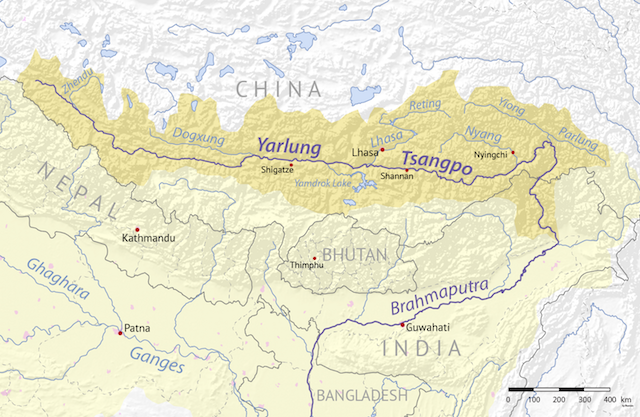
The Chinese state’s hydro-electric activities on Tibet’s Yarlung Tsangpo River—known in India as the Brahmaputra—have long been a source of tension with the downstream countries of India and Bangladesh, which cite a risk of ecological disaster. Now Beijing has started building a colossal dam at the Tsangpo’s great bend in southeastern Tibet, close to the border with the Indian state of Arunachal Pradesh. Chinese Premier Li Qiang just attended the groundbreaking ceremony for the Medog Hydropower Station in Nyingchi, Tibet Autonomous Region, and hailed it as the “project of the century.” But the $168 billion hydro-dam, which will be the world’s largest when it is completed, is described by Arunachal Pradesh leaders as an “existential threat.” CounterVortex correspondent Nava Thakuria reports from Northeast India.

Continue ReadingCHINA’S MEGA-HYDRO SCHEME SPARKS OUTCRY IN INDIA 
Rojava

PKK DISSOLUTION: THE LONG FAREWELL TO VANGUARDISM

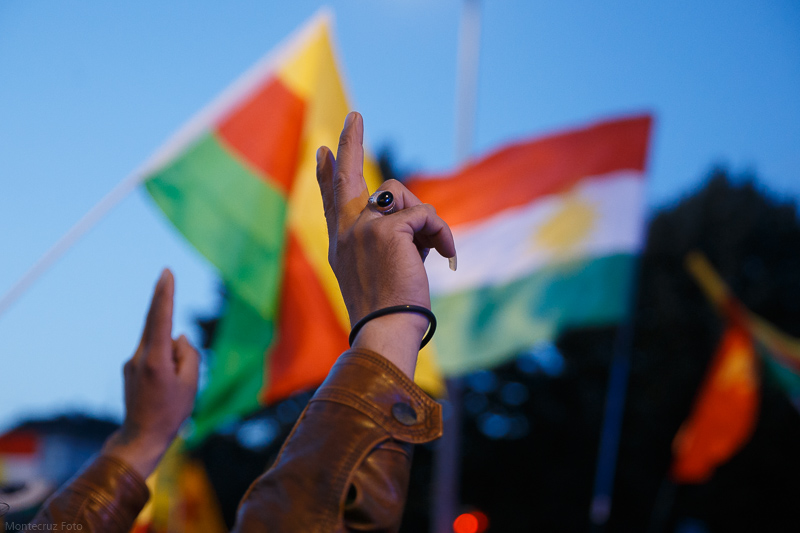
The formal dissolution of the Kurdistan Workers’ Party (PKK), which had waged an armed insurgency against the Turkish state since 1984, has implications beyond the borders of Turkey, as the ideology of imprisoned leader Abdullah Öcalan has won a following among militant Kurds in Syria, Iraq, Iran and the greater diaspora. In an analysis for Britain’s anarchist-oriented Freedom News, writer Blade Runner argues that the PKK dissolution does not necessarily represent a retreat, but is the culmination of a long rethinking of the precepts of vanguardism, ethno-nationalism and separatism in favor of a broader strategic vision emphasizing gender liberation, pluralism and local democracy.

Continue ReadingPKK DISSOLUTION: THE LONG FAREWELL TO VANGUARDISM 
#Damascus4Palestine

FREE SYRIANS STAND UP FOR PALESTINE

In an unprecedented wave of demonstrations across government-held territory, the Syrian people have taken to the streets not to challenge their own leadership, but to protest Israel’s ongoing human rights atrocities in Gaza and its repeated military strikes on Syrian soil. An explainer by JURIST breaks down what’s fueling the anger, what it signals about a country emerging from decades of harsh internal rule, and why Syrians are rallying around a cause that reaches well beyond their own country’s borders.

Continue ReadingFREE SYRIANS STAND UP FOR PALESTINE 
Leonard Peltier,

LEONARD PELTIER HEADS HOME —AT LAST

Native American activist Leonard Peltier, one of the longest-serving federal prisoners in US history, has been released to home confinement after spending nearly five decades behind bars. His imprisonment stems from a controversial 1977 conviction in the shooting deaths of two FBI agents on South Dakota’s Pine Ridge Indian Reservation, a case that has been harshly contested between activists and law enforcement for generations. As Peltier returns to his birthplace on North Dakota’s Turtle Mountain Indian Reservation, his case continues to raise questions about justice, reconciliation, and the relationship between the federal government and Native American nations. In an explainer for JURIST, Ingrid Burke Friedman looks back on his case and its legacy.

Continue ReadingLEONARD PELTIER HEADS HOME —AT LAST 

REVOLUTION 9

In a brief memoir written for Canada’s Skunk magazine, CounterVortex editor Bill Weinberg recalls his days as a young neo-Yippie in the 1980s. A remnant faction of the 1960s counterculture group adopted a punk aesthetic for the Reagan era, launched the US branch of the Rock Against Racism movement, brought chaos to the streets at Republican and Democratic political conventions, defied the police in open cannabis “smoke-ins” —and won a landmark Supreme Court ruling for free speech. The Yippie clubhouse at 9 Bleecker Street, the hub for all these activities, has long since succumbed to the gentrification of the East Village, but it survived long enough to provide inspiration to a new generation of radical youth during Occupy Wall Street.

Continue ReadingREVOLUTION 9 
paramilitaries

CHIQUITA TO PAY FOR PARAMILITARY TERROR IN COLOMBIA

In 2007, Chiquita—one of the world’s largest banana producers—admitted that for years it had been knowingly paying a Colombian terrorist organization to protect its operations in the country. The consequence was predictably violent, resulting in thousands of murders, disappearances, and acts of torture. This week, nearly two decades later, a federal jury in South Florida ordered the company to pay upwards of $38 million in damages in the first of multiple waves of wrongful death and disappearance lawsuits. In an explainer for JURIST, Ingrid Burke Friedman explores the factors that drove the multinational to make these payments, the consequences, and the legal impact.

Continue ReadingCHIQUITA TO PAY FOR PARAMILITARY TERROR IN COLOMBIA